
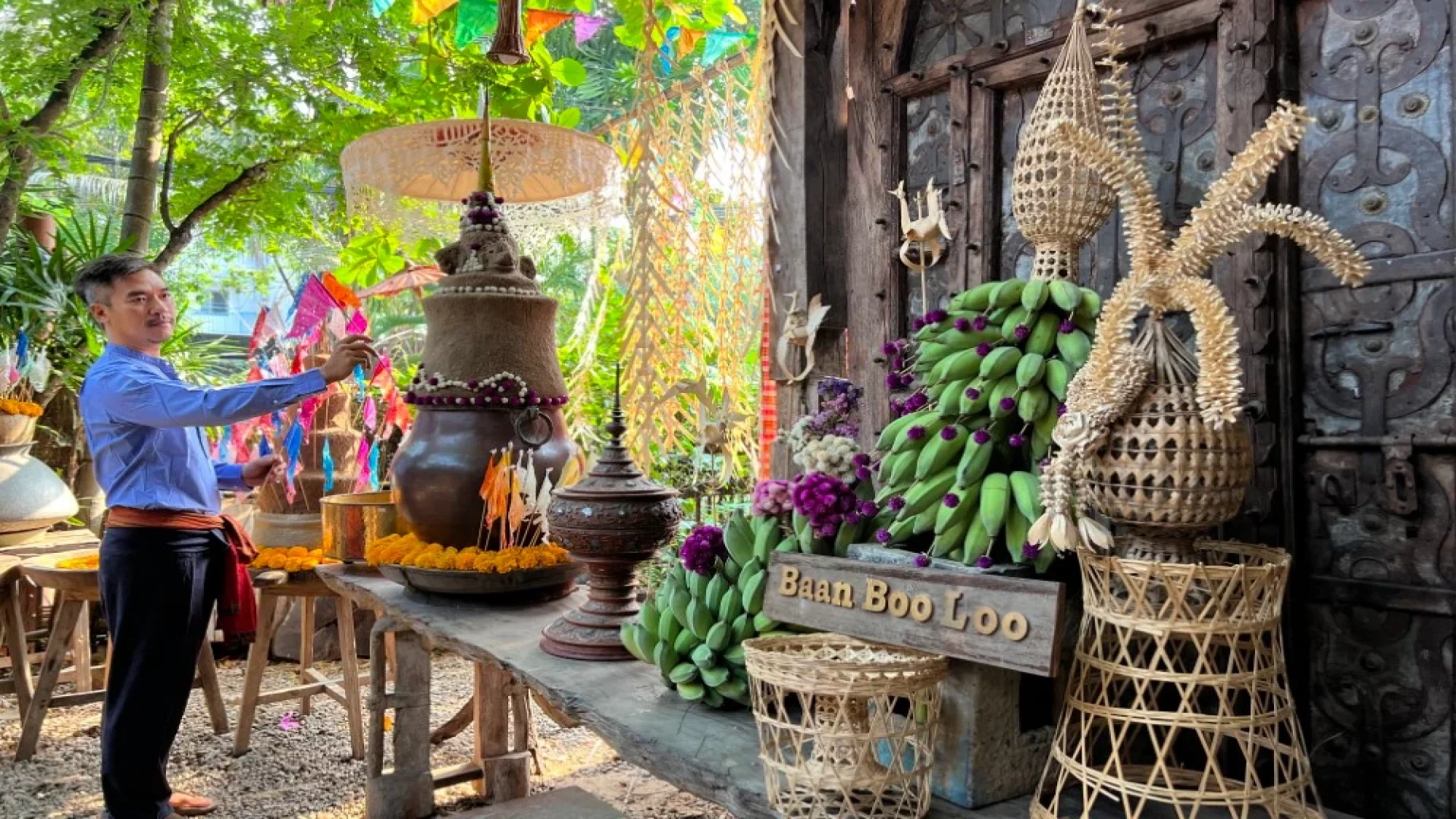
The Unique Identity of Lanna Food and Regional Ingredients
Exploring Northern Thai Culinary Traditions offers a profound window into the heart of Lanna culture, where the geography of the northern hills dictates the ingredients and techniques used in every dish. Unlike the coconut-heavy curries found in central Thailand or the fiery seafood of the south, northern food relies on the earthy bitterness of forest herbs, the richness of fermented soybeans, and the satisfying texture of sticky rice. This culinary heritage is built on a foundation of foraging and seasonality, where locals traditionally gathered bamboo shoots, wild mushrooms, and medicinal leaves from the surrounding jungles to create balanced and nutritious meals. When you stay in our Rooms, you are positioned in a landscape where these food traditions are still very much alive in every street corner and market stall. The flavor profile is complex, often featuring a subtle smokiness from charcoal grilling and a deep umami from "plara" or "thua nao." Understanding these nuances allows travelers to appreciate the resourcefulness of the Lanna people, who have masterfully turned simple mountain ingredients into a world-class gastronomic experience. As you delve deeper into the local food scene, you will find that every meal tells a story of historical migration, trade, and the deep respect for nature that characterizes this region. This connection to the land is what makes the food here so vibrant and essential to the northern identity, offering a taste of history in every bite.
The Communal Spirit of the Traditional Khantoke Dinner
In the world of Northern Thai Culinary Traditions, few experiences are as iconic or socially significant as the Khantoke dinner, a ceremonial meal that emphasizes hospitality and community. Historically, guests were invited to sit on woven mats around a low circular pedestal tray made of wood or rattan, which held an array of small dishes designed for sharing. This style of dining encourages conversation and connection, reflecting the gentle and welcoming spirit of the northern people that we strive to uphold in our About Us philosophy. A typical Khantoke spread includes staples like "Gaeng Hang Lay," a slow-braised pork curry with ginger and tamarind, alongside "Nam Prik Ong," a mild tomato and minced pork chili dip. These dishes are always accompanied by baskets of steamed glutinous rice, which is traditionally eaten with the fingers, allowing for a tactile connection to the food. This communal way of eating is a testament to the importance of family and social bonds in Lanna society, where meals are seen as a time to gather and celebrate life together. By participating in such a dinner, visitors gain more than just a full stomach; they gain a sense of belonging and an insight into the social etiquette that has governed northern Thai life for centuries. It is an immersive cultural performance where the food, the seating, and the company all play a vital role in creating a harmonious and memorable evening under the stars or within the walls of a heritage home.
Essential Dishes to Sample During Your Chiang Mai Stay
To truly grasp the depth of Northern Thai Culinary Traditions, one must embark on a tasting tour of the region's most beloved dishes, starting with the ubiquitous "Khao Soy." This fragrant coconut curry noodle soup, topped with crispy fried noodles and served with pickled mustard greens and lime, is a perfect example of the cross-cultural influences that have shaped the city. Another must-try is "Sai Oua," or northern Thai sausage, which is packed with lemongrass, kaffir lime leaves, and galangal, offering a burst of herbal flavor that is unique to this part of the country. Many travelers find that exploring these local delicacies is the highlight of their trip, often returning to our Amenities to share stories of their culinary discoveries over a quiet evening tea. For those who enjoy a bit of spice, "Nam Prik Noom," a roasted green chili dip made with smoky charred peppers, provides a fiery yet flavorful accompaniment to fresh vegetables and crispy pork rinds. Each dish serves as a map of the region's agricultural abundance, showcasing the variety of herbs and spices that thrive in the cooler northern climate. Exploring the night markets offers a front-row seat to the preparation of these dishes, where skilled vendors toss ingredients in hot woks or flip skewers over glowing coals with practiced ease. This vibrant street food culture is the lifeblood of the city, providing an accessible and delicious way to engage with the local community and their time-honored recipes.
Learning the Craft Through Local Cooking Classes
For many visitors, the desire to take home a piece of Northern Thai Culinary Traditions leads them to enroll in one of the many prestigious cooking schools located throughout the historic district. These classes often begin with a guided tour of a local market, where instructors explain the different types of rice, the varieties of ginger, and the importance of choosing the freshest herbs. Learning to pound your own curry paste using a traditional stone mortar and pestle is a rite of passage for any aspiring Thai chef, teaching the patience and precision required to balance salt, sour, and spice. Our Contact Us page can provide recommendations for authentic schools that focus on traditional Lanna techniques and organic ingredients. By understanding the "why" behind the techniques, such as why certain ingredients are added in a specific order, you gain a deeper respect for the culinary wisdom passed down through generations. These classes are not just about following a recipe; they are about understanding the cultural context of the food and the philosophy of balance that defines Thai cooking. Once you return home, the ability to recreate these flavors serves as a living memory of your time in the north, allowing you to share the spirit of the Lanna kingdom with friends and family. This educational journey is a vital part of the slow travel movement, encouraging travelers to engage more deeply with the destinations they visit and to support the preservation of intangible cultural heritage through active participation.
The Role of Markets in Preserving Food Heritage
The bustling wet markets of the northern capital are the true guardians of Northern Thai Culinary Traditions, serving as the primary source of ingredients for both home cooks and professional chefs. Markets like Warorot or Thanin are sensory explosions, filled with the sights of colorful tropical fruits, the sounds of rhythmic chopping, and the smells of freshly made curry pastes. These spaces are where the community gathers to exchange news and purchase the essential components of their daily meals, from fermented bamboo to fresh river fish. If you browse our Gallery, you will see how the vibrant colors of these market scenes reflect the energy and diversity of the local food culture. Supporting these traditional markets is crucial for the survival of small-scale farmers and artisans who produce specialty items that cannot be found in modern supermarkets. For the traveler, the market is a classroom where you can observe the seasonal shifts in the northern diet and learn about the medicinal properties of various plants used in local dishes. The interactions between vendors and regular customers are a masterclass in Thai social harmony, characterized by polite bargaining and mutual respect. Taking the time to wander through the aisles, even if you are not buying ingredients, offers a profound look at the logistical and social foundations of the regional culinary scene. It is a reminder that food is not just a commodity but a vital link between the land, the producers, and the consumers who cherish their traditional way of life.
Sustainable Food Practices and Farm-to-Table Ethics
Modern Northern Thai Culinary Traditions are increasingly embracing the global movement toward sustainability and farm-to-table ethics, with many local restaurants prioritizing organic produce and heritage seeds. This shift is a natural extension of the traditional Lanna way of life, which has always been rooted in a deep connection to the earth and its cycles. Many small farms in the valleys surrounding the city are reviving ancient varieties of rice and vegetables, ensuring that the genetic diversity of the region's food supply is protected for the future. You can find more information about these eco-friendly initiatives in our Blogs, where we highlight the local heroes working to keep the food system fair and green. By choosing to dine at establishments that support these farmers, travelers contribute to the economic viability of sustainable agriculture in the region. This conscious approach to dining enhances the flavor of the food, as ingredients harvested at their peak of ripeness offer superior taste and nutrition. It also fosters a sense of transparency and trust between the kitchen and the diner, as the story of the food—from seed to plate—is clearly communicated. This evolution of the culinary scene demonstrates that tradition and innovation can coexist, creating a food culture that is both respectful of the past and prepared for the challenges of the future. For the discerning traveler, this means every meal is an opportunity to support environmental conservation and cultural preservation while enjoying some of the most delicious and authentic food in the world.
Planning Your Gastronomic Adventure in Northern Thailand
To make the most of your journey through Northern Thai Culinary Traditions, it is helpful to approach each meal with a sense of adventure and a willingness to try unfamiliar flavors. Don't be afraid to ask for recommendations from locals or to try a dish simply because it looks and smells enticing at a street stall. Navigating the diverse food landscape requires a bit of research, and our FAQs can help answer questions regarding food safety, dietary restrictions, and the best times to visit various markets. Remember that many of the best culinary experiences are found off the beaten path, in small family-run eateries where the recipes have remained unchanged for decades. Balancing famous "must-eat" spots with spontaneous discoveries will give you a well-rounded perspective on the city's food scene. It is also important to remember the etiquette of the Thai table, such as using a spoon and fork correctly and showing appreciation for the effort that goes into every dish. Whether you are sipping a cold herbal tea in a quiet courtyard or sharing a spicy salad in a crowded market, the food of the north will leave a lasting impression on your palate and your heart. This gastronomic adventure is a key component of any trip to the region, providing a delicious and meaningful way to connect with the history, the people, and the beautiful landscape of Northern Thailand. As you prepare to depart, the flavors of the Lanna kingdom will remain with you, a fragrant reminder of a culture that celebrates the bounty of the earth and the joy of shared meals.