
The Philosophy of Slow Travel in a Fast-Paced World
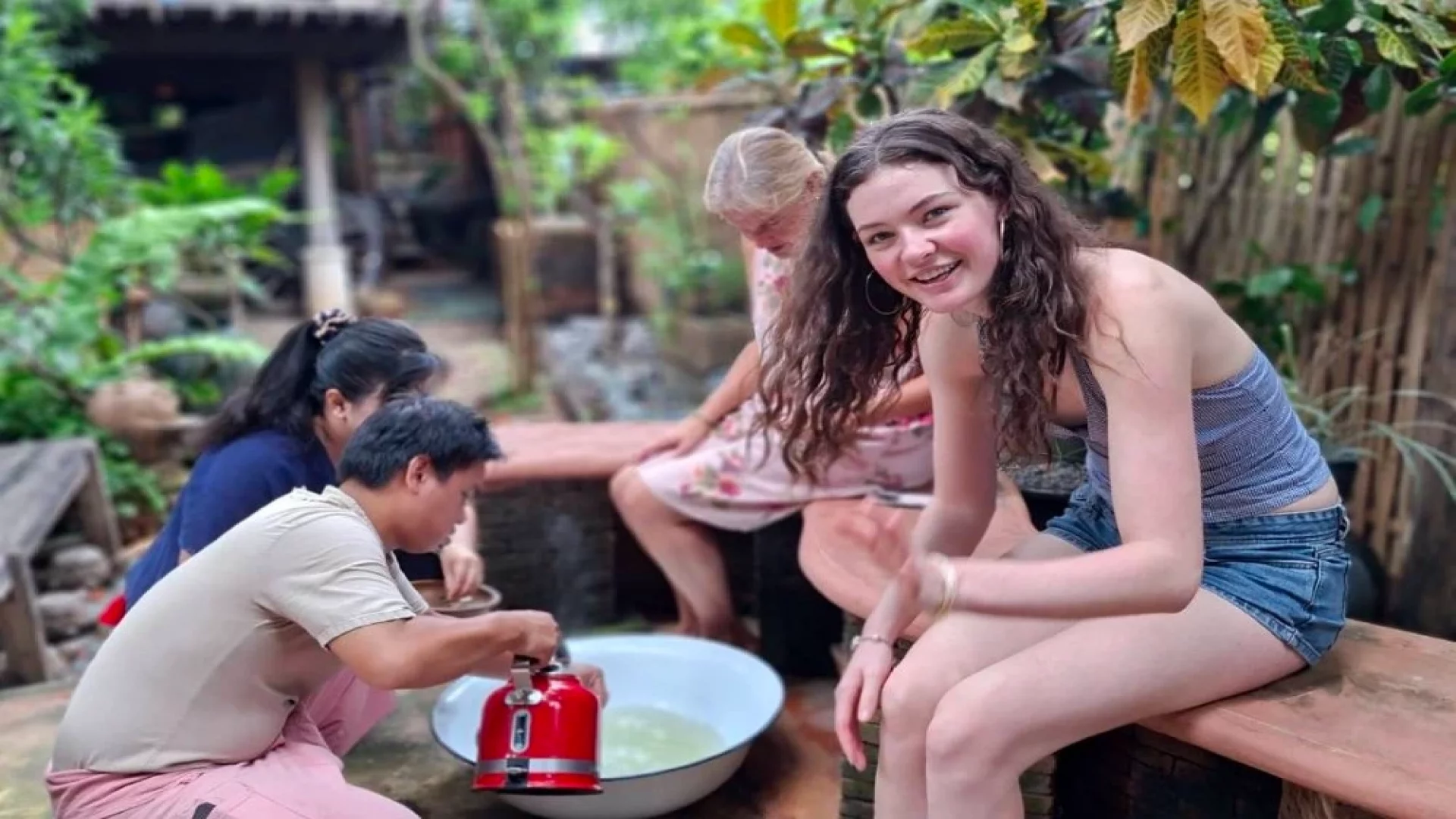
Embracing Sustainable Travel in Chiang Mai begins with the philosophy of slow travel—a conscious choice to reduce the pace of your journey and deepen your connection with the local environment and community. In an era where "ticking off" landmarks has become the norm, slow travel encourages you to linger in a single neighborhood, understand its history, and form meaningful relationships with the people you meet. This approach not only reduces your carbon footprint by minimizing local transport but also provides a more enriching and restorative holiday experience. When you choose to stay in our Rooms, you are supporting a model of tourism that values heritage preservation over mass development, allowing you to live within a traditional wooden house that has stood for generations. Slow travel is about quality over quantity; it is about choosing to spend an afternoon watching a local artisan at work rather than rushing through five different tourist sites. By slowing down, you become more observant of the small details that make the northern capital so special, from the way the morning light hits the ancient city walls to the subtle seasonal changes in the local food markets. This mindful way of moving through the world aligns with the Buddhist values of the region, promoting a sense of presence and gratitude that stays with you long after you return home. It is a journey that prioritizes the soul of the destination and the well-being of the traveler, creating a harmonious and sustainable relationship between the two.
Supporting the Local Economy through Artisan Craftsmanship
A vital component of Sustainable Travel in Chiang Mai is the intentional support of the local economy by purchasing goods directly from the artisans who make them. The city is famous for its rich heritage of craftsmanship, including silverwork, weaving, woodcarving, and lacquerware, all of which have been passed down through Lanna families for centuries. By choosing to buy handmade products instead of mass-produced souvenirs, you are ensuring that these traditional skills remain viable and that the income stays within the local community. We highlight many of these local creators in our About Us story, as their work is integral to the aesthetic and spirit of our heritage home. Visiting artisan villages on the outskirts of the city allows you to witness the incredible skill and time required to produce a single piece of silk or a hand-carved teak panel. These interactions provide a human face to the things you buy, turning a simple purchase into a meaningful exchange of culture and appreciation. Many artisans are now using sustainable practices, such as natural dyes and recycled materials, to meet the growing demand for eco-friendly products. Supporting these initiatives encourages further innovation in sustainable craft and helps protect the traditional knowledge that is a hallmark of northern Thai identity. This economic empowerment is a powerful tool for community development, allowing local families to thrive while maintaining their cultural roots and artistic integrity in a changing global market.
Eco-Friendly Accommodations and Heritage Preservation
Choosing where to stay is one of the most impactful decisions a traveler can make in support of Sustainable Travel in Chiang Mai. Eco-friendly accommodations often focus on heritage preservation, using existing structures and traditional building materials to minimize the environmental impact of tourism. Our property is a prime example of this, where we have carefully maintained a traditional teak wood house, utilizing natural ventilation and sustainable wood sources to create a comfortable and authentic environment. You can explore our Amenities to see how we blend these traditional features with modern sustainability practices, such as minimizing plastic waste and using locally made organic toiletries. Heritage preservation is inherently sustainable because it prevents the energy-intensive process of new construction and protects the cultural landscape of the city. By staying in a preserved home, you are contributing to the ongoing maintenance of the city's architectural history, ensuring that the unique character of the Old City is not lost to modern high-rises. These boutique stays also tend to have a smaller guest capacity, which reduces the strain on local infrastructure and allows for more personalized and respectful service. This model of hospitality fosters a sense of stewardship among both the staff and the guests, creating a shared commitment to protecting the beauty and integrity of the destination. It is a more intimate and responsible way to experience the north, where your choice of lodging becomes an active part of the solution for sustainable urban development.
Mindful Dining and the Value of Seasonal Local Produce
What we eat while traveling has a significant impact on our environmental footprint, and practicing Sustainable Travel in Chiang Mai means choosing local, seasonal, and organic food whenever possible. The region's agricultural abundance provides a wealth of fresh produce, from mountain-grown coffee to tropical fruits and herbal vegetables that are staples of the Lanna diet. Dining at farm-to-table restaurants or supporting small street food vendors who source their ingredients from local markets helps reduce the "food miles" associated with your meals and supports regional farmers. We often share our favorite local food spots in our Blogs, focusing on those that prioritize quality and sustainability. Eating seasonally not only ensures the best flavor and nutritional value but also aligns your diet with the natural cycles of the northern landscape. Many local chefs are now leading the way in sustainable gastronomy, reviving forgotten recipes that use hardy, indigenous plants that require fewer pesticides and less water to grow. This culinary revival is a key part of cultural preservation, as it keeps traditional food knowledge alive and relevant for new generations. Being mindful of food waste and avoiding single-use plastics while dining out are also simple yet effective ways to reduce your impact. By approaching the local food scene with a conscience, you enjoy a more authentic and delicious experience that respects the earth and the hard work of the people who provide our sustenance.
Responsible Sightseeing and Ethical Interaction with Nature
The natural beauty surrounding the city is a major draw for visitors, but practicing Sustainable Travel in Chiang Mai requires a commitment to ethical interactions with wildlife and the environment. This means choosing tour operators that prioritize animal welfare, such as elephant sanctuaries that focus on observation and rehabilitation rather than riding or performance. It also involves being a responsible hiker by staying on marked trails, carrying out all trash, and respecting the local flora and fauna in the national parks. Our Gallery captures some of the stunning natural landscapes that we are so lucky to have on our doorstep, and we are dedicated to helping our guests explore them responsibly. When visiting mountain villages, it is important to be a mindful guest, asking for permission before taking photos and supporting the community by purchasing their crafts or using their guide services. Responsible tourism is about leaving a place as good as, or better than, you found it, ensuring that future generations can also enjoy the wonders of the northern hills. This ethical approach to nature travel fosters a deeper appreciation for the interconnectedness of all life and the vital role that biodiversity plays in our global ecosystem. By making informed choices about your activities, you ensure that your presence in the wild spaces of the north is a force for protection rather than destruction. It is a rewarding way to explore the world, where every trek and every wildlife encounter is conducted with respect, empathy, and a long-term vision for environmental health.
Practical Steps for Reducing Your Footprint While Traveling
Taking practical steps to reduce your environmental impact is a core part of Sustainable Travel in Chiang Mai and can be easily integrated into your daily holiday routine. Carrying a reusable water bottle and shopping bag, using local transport like bicycles or public "red trucks," and being mindful of energy and water consumption in your room are all small actions that collectively make a big difference. We provide more tips on how to be a green traveler in our FAQs, helping you navigate the local infrastructure with sustainability in mind. Choosing to participate in "clean-up" events or supporting local environmental NGOs through donations or volunteer work can also add a meaningful layer to your trip. It is also helpful to be aware of the "leave no trace" principles, even in an urban environment, by disposing of waste correctly and being mindful of noise pollution in quiet residential areas. Educating yourself about the local environmental challenges, such as seasonal air quality or water management, allows you to be a more empathetic and adaptable visitor. Many travelers find that these conscious efforts actually simplify their travel experience, making it more focused and less cluttered with unnecessary consumption. By taking responsibility for your actions, you set a positive example for others and contribute to a global culture of respect and care for the planet. These practical steps are the foundation of a sustainable travel lifestyle that values the longevity of our beautiful destinations over short-term convenience.
The Long-Term Benefits of Choosing Sustainable Tourism
The benefits of practicing Sustainable Travel in Chiang Mai extend far beyond the immediate trip, contributing to the long-term health and vitality of the destination and the travel industry as a whole. When travelers prioritize sustainability, they drive demand for better business practices, encouraging more hotels, restaurants, and tour operators to adopt eco-friendly and socially responsible models. This shift creates a more resilient tourism economy that can withstand global challenges while protecting the unique cultural and natural assets that attract visitors in the first place. For the traveler, the benefits include more authentic experiences, a deeper sense of fulfillment, and the knowledge that your journey has made a positive impact on the world. If you are ready to plan your responsible escape to the north, our Contact Us page is the first step toward a journey that honors the traditions and the environment of the Lanna kingdom. We believe that tourism should be a force for good, and we are committed to providing a stay that reflects these values in every detail. As you reflect on your travels, you will find that the memories of slow, sustainable moments—a conversation with a local weaver, a quiet walk through an ancient temple, a meal of fresh mountain herbs—are the ones that truly endure. This long-term perspective on travel transforms it from a luxury into a meaningful way of engaging with the world, fostering a global community of travelers who are dedicated to the preservation of our shared cultural and natural heritage for many years to receive.